Weekly Writing Summary For The Week Ending 07/09/2026
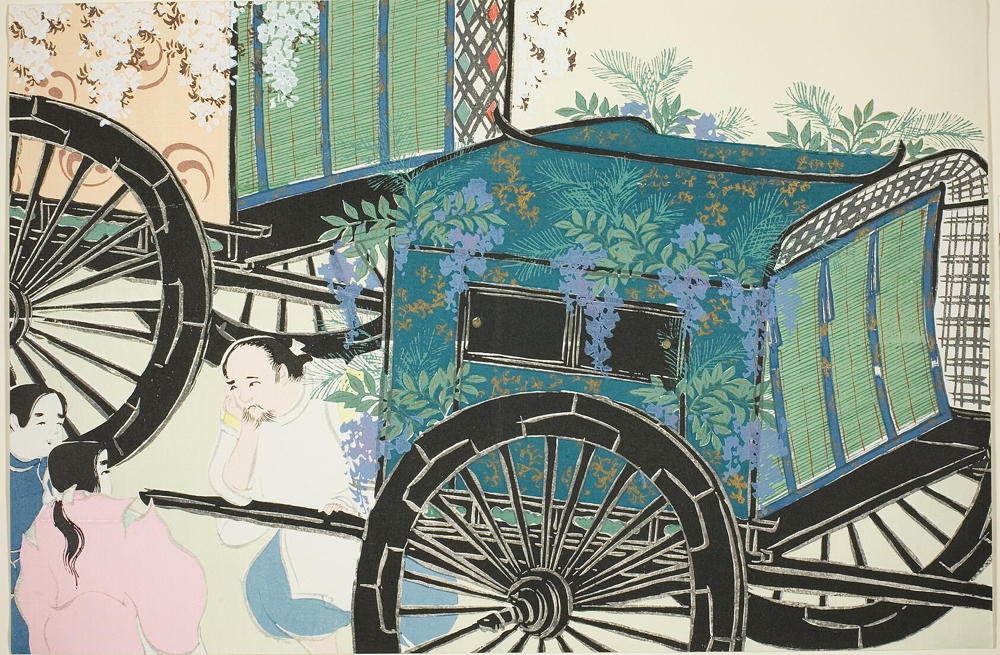
Kamisaka Sekka
Courtiers’ Carriages,
from the series “Worlds of Things (Momoyogusa)”
(1909/10)
This week’s Prosperity dispatches arrived on the Fourth of July and kept arriving through a week that ranged from political fury to philosophical depth to barefoot mourning. The writing moved from the Phreedom of the incumbent’s Mount Rushmore performance to the elusive nature of the Promising, from the composter’s quiet testimony in TheHeap to the expanding universe of Affording, from the NoThings that populate our lives to the SymbolicProsperity found on bookshelves and in the soles of absent barefoot shoes. The series found its most intimate register this week. The foundation holds.
Thank you for following along!
— — —
Weekly Writing Summary
Phreedom
“Hip, hip, hooray!”
This Prosperity Story arrives on the Fourth of July to distinguish genuine freedom — a kind of Prosperity that cannot be purchased or weaponized — from the Phreedoms our incumbent performed at Mount Rushmore the night before.
In this Prosperity Story, I considered how the Fourth of July has always seemed to encourage that distasteful style of jingoism that manifests during the worst moments of our long shared history. Our incumbent, who now shows clear signs of Frontotemporal Dementia on top of his pre-existing lifelong narcissistic personality disorder, delivered a speech attempting to rewrite history before an audience apparently stupid enough to rise to his bait. Freedom isn’t just the right to spout crazy shit in public, though that right has been sanctified by our common Constitution. There are phony Phreedoms that some assert for their own convenience, overlooking the complications that actually accompany exercising genuine freedoms. Diversity, equity, and inclusion might be Prosperity’s three inescapable allies, for we cannot possess what we cannot freely acknowledge and share. Those who firmly believe in white supremacy undermine their own argument by asserting it. Hip, hip, hooray!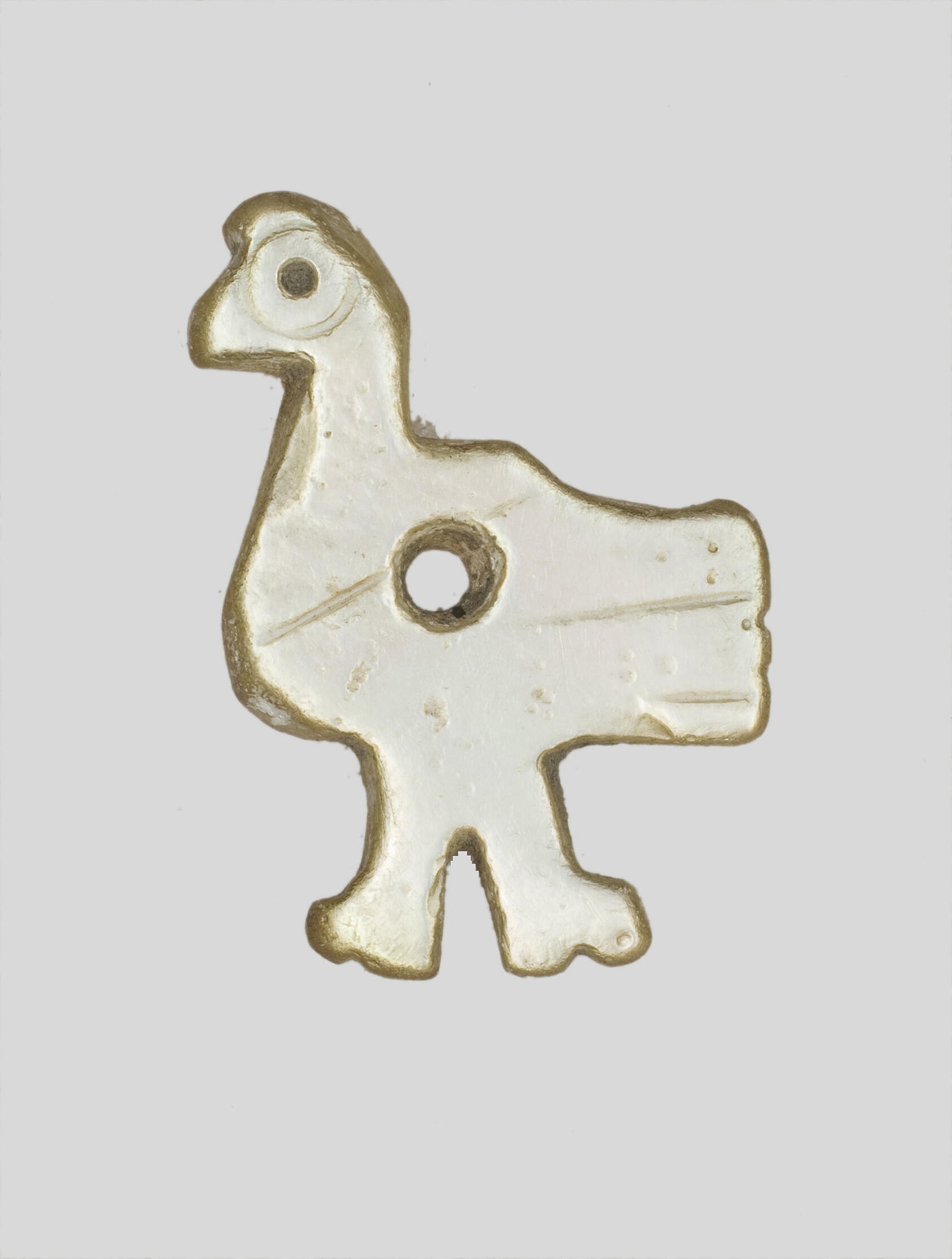
Unknown Egyptian Artist: Amulet of a Rooster (Byzantine Period: 4th–7th century
——
Promising
“Who knows where such mustard seeds come from, anyway?”
This Prosperity Story examines Prosperity as anticipation — the sense of impending possibility that turns out to be remarkably fragile, as a nine-hour Scrivener ordeal demonstrated by draining it entirely.
In this Prosperity Story, I considered how some significant portion of Prosperity never exists in any present; the future might prove its most significant element. A sensation that the future will not contain adequate Prosperity seems plenty enough to smother any present sense of possessing it. Prosperity was never actually an asset, but usually more an anticipation. Last week, I set about assembling a manuscript I’d taken a fresh sparkle to, imagining I’d be copying and pasting in perhaps forty-five seconds. A devil jumped into my future dream and gummed up the works. Three days later, still unresolved, I’d set aside that effort, baffled at where that initiating sense of Prosperity so quickly disappeared to. I became an instant pauper as a result. Perhaps I need a mustard seed of faith to find that particular Prosperity again. Who knows where such mustard seeds come from, anyway?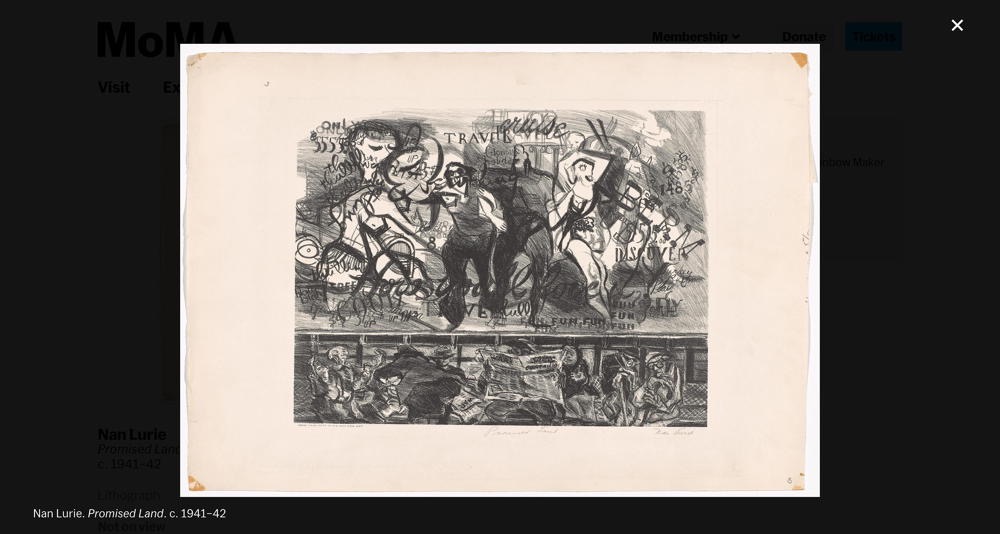
Nan Lurie: Promised land (1941 - 1942) Works Progress Administration (WPA), Federal Art Project, New York
——
TheHeap
“If that’s not an accurate portrait of Prosperity, I suppose nothing is, or could be, either.”
This Prosperity Story finds external evidence of Prosperity not on the fine front porch nor in the lawn and gardens, but behind the garage, where the compost heap stands as this writer’s proudest accomplishment.
In this Prosperity Story, I migrated toward what might appear to be a remote and under-appreciated corner of the yard to find external evidence of my Prosperity. My composter stands as the improvement of which I’m proudest. I swell with appreciation and pride every time my eye drifts across its now slightly deteriorating frame. I cut those boards. I fastened them together. Each bed features hollowed-out apricot pits and bits of other material reduced to soil amendment over the years. I am not naturally handy — a negative capability I probably inherited from my father — which explains why I feel such pride whenever I spot my composter. It stands as clear evidence that I at least once completed something I’d envisioned, a thing that worked even better than expected. A composter, like Prosperity, is rightfully an eternally unfinished improvement, capable of contributing plenty even though it’s eternally only partially completed. If that’s not an accurate portrait of Prosperity, I suppose nothing is, or could be, either.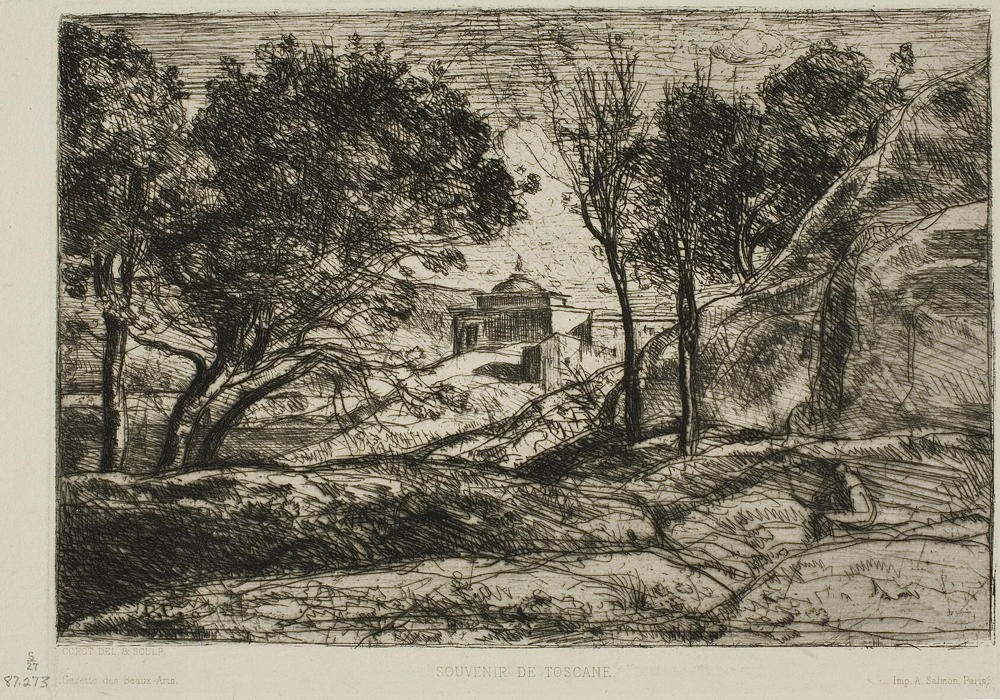
Jean-Baptiste-Camille Corot Souvenir of Tuscany (1845)
——
Affording
"It threatens the notion that anyone might be an island unto themselves…"
This Prosperity Story traces Prosperity’s expansion through a life, from the partitioned childhood world of what one could and couldn’t afford, to the expanding universe of Affording behaviors that opens once Prosperity takes root.
In this Prosperity Story, I recalled how growing up in a family of five kids taught me early what we could not afford. I constructed a partitioned world — stuff I could afford, and stuff I couldn’t. Over time, I learned how to want only what I could afford, and I grew snobbish about what I felt I couldn’t. My first career as a singer/songwriter was completely defined by what I felt I could afford at the time. It wasn’t until my to-be first wife graduated from university and took her first professional job that I began to live in proximity to what I later learned might represent Prosperity. I came to believe that I could afford college. My boundaries progressively enlarged, eventually exponentially, and I began to inhabit a universe with far fewer constraints than the one I’d been born into. Prosperity, even when it’s no more than a prosperous mindset, enables Affording behaviors. It threatens the notion that anyone might be an island unto themselves, unable to afford to join in the play.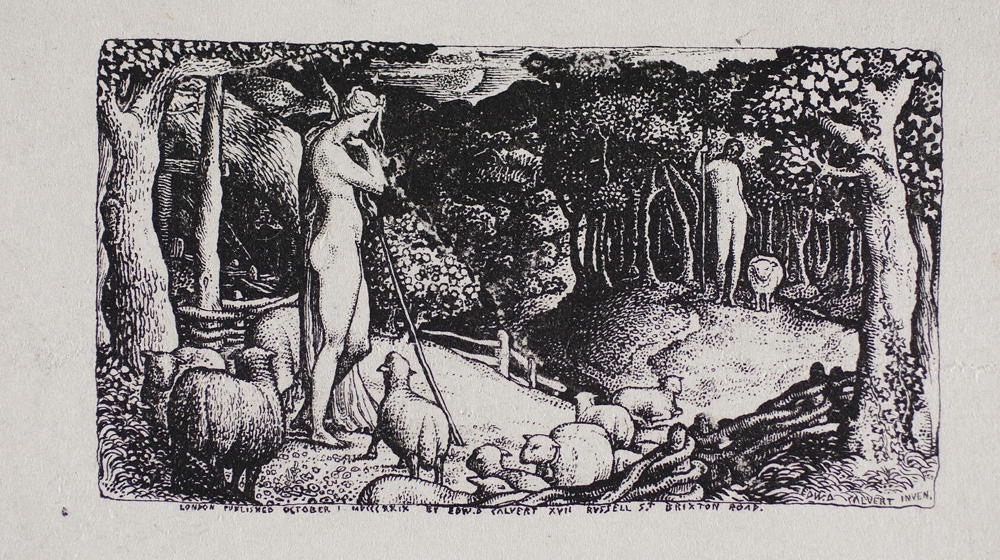
Edward Calvert: Ideal Pastoral Life (1845)
——
NoThings
“Later, it becomes the imperative.”
This Prosperity Story reveals Prosperity’s most curious characteristic: it doesn’t really qualify as a thing at all — and neither do most of the motivating forces that make human life tolerable.
In this Prosperity Story, I disclosed what might have been the key insight I’d share with participants in my Mastering Projects workshops: there is no such thing as a project. I’d ask each to imagine placing their project into a wheelbarrow. What would they place in there? Once we’d successfully dispelled the naive notion that we might be dealing with a run-of-the-mill noun of a thing, we began to make real progress. Prosperity belongs to the same curious class of NoThings. It could never be a person, place, or thing, and yet we each naturally interact with it as if it might be. We are things, though we seem to require many NoThings to make our experience here tolerable. The sin lies not in pursuing NoThings but in mistaking them for things — in expecting tangible evidence of what we pursue. The cure involves acknowledging the presence of NoThings. It never seems obvious at first. Later, it becomes the imperative.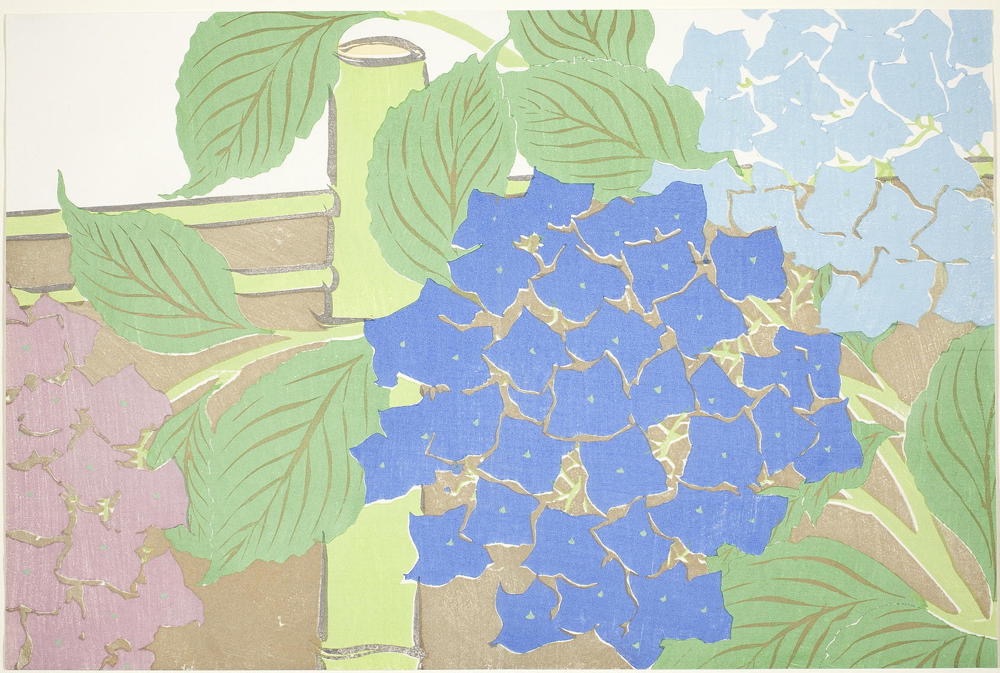
Kamisaka Sekka Hydrangeas, from the series “Worlds of Things (Momoyogusa) (1909/10)
——
SymbolicProsperity
“…they bear the weight of my very identity, my Prosperity.”
This Prosperity Story discovers that Prosperity depends upon supporting symbolism to properly manifest — and finds its own symbols on bookshelves, in a composter, in a 1967 Martin D-18, and most achingly in a pair of absent barefoot shoes.
In this Prosperity Story, I considered how all Prosperity utterly depends upon some supporting symbolism — something that embodies the sense of wealth and wellbeing accompanying a person’s Prosperity. For me, I found that symbol on my bookshelves. I retain no more than microscopic portions of their contents, but I hold clear recollections of where I was and when I first encountered each author and worldview. I consider my book collection my intelligence, my diploma, my key into and through this world. My 1967 Martin D-18 guitar stands as Prosperity incarnate. My D-handled shovels likewise say more about my emotional state than most might readily recognize. I am presently missing one of my symbols of Prosperity — my sacred barefoot shoes fell into disrepair, and I have been unable to find a suitable replacement pair, probably due to tariff silliness. I feel an abiding form of poverty lately. I feel it most prominently in my feet. I feel as though my SymbolicProsperity chose me, and that I happily, fortunately, merely followed it along.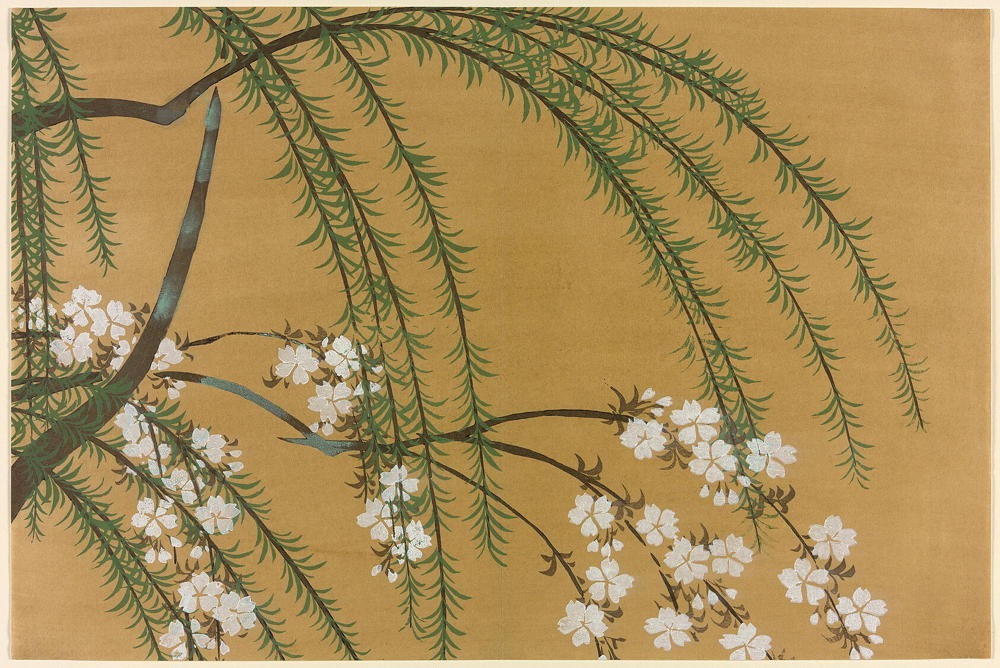
Kamisaka Sekka: Willow and Cherry Branches, from the series “Worlds of Things (Momoyogusa)” (1909/10)
——
Previously Already Crumbling Patriarchy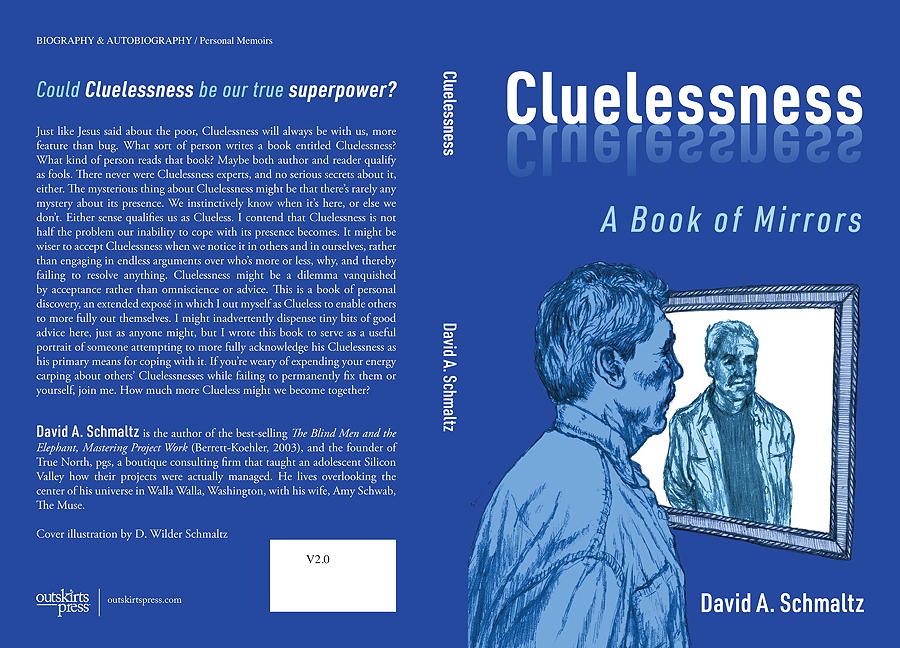
As this summer melts into its hotter weeks, I find myself increasingly unwilling to agree to sweat very many details. I try to get out and return before the heat explodes, and catch myself hiding out in shadows through most afternoons. Later in the day, I might consent to sit on the back deck, hoping for a breath of breeze to waft through, encouraging the cats, who never get a day off from wearing their winter coats, to slow down enough for a bite of supper. I might listen to some baseball or catch a little Lawrence O’Donnell on the radio, but I feel every bit as constrained through this part of this season as I ever do in deepest winter. I am as prone to contract Summer Seasonal Affective Disorder as I am to contract the Winter variety. The Muse and I have become hypersensitive to when the upstairs needs to be closed off, as only owners of a century-old home can be, with windows closed from their fully open overnight position to their late-morning closed-down tightly with shades through the afternoon. The Muse opens everything back up after I’ve gone to bed so we can enjoy the relatively cooler overnight respite. No bugs here, at least. No need for screens.
I never did figure out how to properly format the manuscript I reported struggling with last week. I finally figured that the requisite six or eight hours I’d spent failing to achieve what I had been certain was a modest objective was plenty, and the root problem must have been my objective. It couldn’t possibly be my job to make the formatting software do my bidding if it didn’t seem to want to do my bidding, and though some Good Samaritan on the software’s user forum insisted that I just needed to learn how to use the software, I had to acknowledge that I’d never learned to use any other software to specification, and that I was unlikely to experience any spontaneous breakthrough on that front in this instance. If I need to, I’ll manually correct what the automated formatter couldn’t. If I remember. Otherwise, I’ll distribute the draft with obvious formatting errors intact, and, as usual, blame it on the software rather than the user.
I figure that the explosion of AI use might be precisely the scapegoat humanity has been searching for throughout the ages. Rather than replacing our knowledge, it can accept culpability and leave us feeling competent and capable for a change. Our delicate egos have always preferred to find someone, anyone, anything else to blame for our innate shortcomings, anyway, and I figure AI might be the perfect partner in that respect. Properly prompted, any decent AI engine should be trainable to accept that it’s its fault and calmly take the blame. My now vast experience with Cluelessness has rendered me conventionally unembarrassable, though I still occasionally try to weasel out of the occasional full responsibility, especially when that entails something labeled “professional.” I mean, any half-decent writer should be able to master formatting their work. Right? Or does that qualify as another artifact of our previously already crumbling patriarchy?Thank you for following along!
You can order Cluelessness from Bookshop.org, Powell’s Books, or Amazon. It's now more widely available, just as the publisher predicted. I still haven't discovered the e-Book location for ordering the book, other than this Kindle link. (I didn't know that KIndle was still a thing, if it ever was.) I saw a .pdf link somewhere, but lost the location and couldn't find it again. My publisher is enamoured with their flashy portal that I keep getting lost in. See if you can do any better: Link To Publisher's Website Here
I employed Claude.ai, a commercial AI-powered text editor, using it to perform repetitive copy/pasting work and to create the above story summaries, prompting with: “Please briefly summarize this story in the first person while retaining the original voice.” I manually copy-edited each result.
©2026 by David A. Schmaltz - all rights reserved
Good For A Goose

Comeuppance (29)
Decency (90)
Decency Unscrolling (1)
EndDays (92)
Exiled (90)
Fambly (93)
FollowingChapters (93)
Grace (92)
Humor (2)
iAlogue (1)
Letters to the Editor (1)
NextWorld (91)
Personal (18)
Prosperity (94)
Steam Festival (4)
Unscrolling (89)
Vaporized (6)
Work (16)
September 2026
August 2026
July 2026
June 2026
May 2026
April 2026
March 2026
February 2026
January 2026
December 2025
November 2025
October 2025
September 2025
August 2025
July 2025
June 2025
May 2025
April 2025
March 2025
February 2025
January 2025
December 2024
November 2024
October 2024
September 2024
August 2024
July 2024
June 2024
May 2024
April 2024
March 2024
November 2006
October 2006
September 2006
August 2006
July 2006
June 2006
May 2006
April 2006
March 2006
February 2006
January 2006