ResponsibleFor
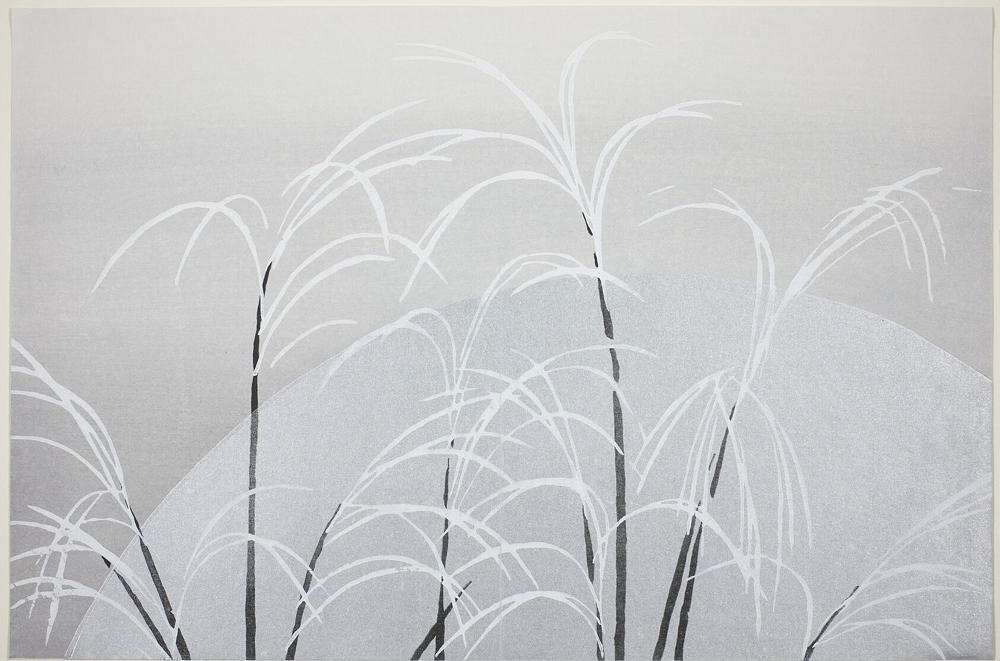
Kamisaka Sekka
Moon over Musashino,
from the series “Worlds of Things (Momoyogusa)”
(1909/10)
"…vulnerable to every odd pebble inadvertantly flying around."
Responsibilities shift when Prosperity appears. Before, the arc of responsibility might have extended no further than one’s self, if even that far. Afterward, it inevitably becomes ever more expansive and more inclusive, often extending far beyond personal home and hearth. Those unprepared for this shift might feel put upon when it happens. When did they suddenly become responsible for everybody else? The worst might even curse their new dependents, wondering why they can’t stand on their own damned hind legs and fully support themselves for a change. These are useless questions bordering on deflections, for if successfully deployed, they might lead the newly prosperous into preposterous positions, undefendable under any condition. This has absolutely nothing to do with religious conviction, but plays into principles included even in the decidedly feral Laws of the Jungle. One need not embrace communism to comprehend to whom and to what one must be ResponsibleFor.
At root, it’s simply self-preservation to help support one’s civilization, each of which inexorably includes both owners and renters, along with a few apparent deadbeats incapable of even supporting themselves. This turns out to be the lay of every land, throughout history, and anybody believing they can buck history seems destined to experience endless self-inflicted disappointment and frustration, perhaps even MAGA begrudgement. Understanding what one’s ResponsibleFor and why might be the single necessary discovery in every maturing human, in every responsible citizen. Those who lobby for protection from taxation never seem to also ask for equal protection from the protections those taxes purchase. Those who feel oppressed by their tax burden might reflect on times when they were not even able to contribute to the public coffers. Remember and regret that you’re unable to contribute more than asked for, and count your few remaining blessings that the burden doesn’t prove all that onerous, relief more a nice-to-have than an imperative. Those unable to contribute to the public coffers live lives utterly defined by imperative. Prosperity carries at least a little respite from that burden.
The renters among us might owe their rent, but they are not responsible for upkeep and maintenance. When their toilet backs up, they call the management company or the landlord rather than that time-and-a-half cash-only, please weekend plumber. The owner remains ResponsibleFor the infrastructure, while the renter might hold responsibility only to do no damage, or just as little as possible while living there. The renter might mow the lawn and keep the weeds down while the owner remains responsible for landscaping and pruning. Before Prosperity visited me, I gained experience as a renter, though I was raised in a definite family of owners. I struggled to remain on the renter side of the line, feeling more responsible than I was ever formally held legally responsible. I sometimes innocently wandered into the owner’s territory and felt oversupervised when I had to get prior approval before painting something a different color. Others have no experience as an owner, having been raised in renter culture. These folks might struggle to fully fulfill their owner responsibilities that arrived when they later encountered Prosperity. Few relationships seem sadder than an owner who interacts with their property as if they were merely its renter.
These owner/renter worldviews inhabit more than one’s home. We typically carry these into our workplaces, like hitchhikers or a tramp, unaware they’re carrying fleas as they ride the rails. Whether one engages as an owner or a renter materially influences their effectiveness in this world. Those who feel they must continually ask for permission before acting might never experience the sensations of being an owner rather than being merely an employee. Curiously, many never seem to find the opportunity to own even their own job responsibilities, holding back from full engagement under some presumed Not ResponsibleFor clause in their employment agreement. Those capable of imagining themselves in charge generally become in charge. The owner-employees seem to believe they employ themselves first and behave as if they were owners, regardless of who legally owns the operation. This presumption never renders them the exclusive owners, or even the actual legal ones, but at least they become owners of the pieces of the operation they’re actually ResponsibleFor. Most employers appreciate employees who imagine themselves as owners, for they more easily embrace a broader range encompassing what they hold themselves ResponsibleFor and require less direction and supervision.
The Muse could be a poster child for the imaginary owner and the scope of what they’re functionally ResponsibleFor. She contributes to charitable causes not because she can necessarily afford to, but because she can’t imagine affording not to. She supports a broad range of causes, some of which I might not characterize as charitable or necessarily worthy of her support, but a person retains the right to focus their support on whomever they care enough about. Criticism never seems that appropriate. I’ll save my critique for those who haven’t yet learned who and what they’re responsible for beyond their own nose. Those libertarians influenced by Ayn Rand and the capitalists who still believe they are and should remain an island of resistance against anything they label communist. Those who can’t believe in communal contexts live in the glassiest houses, vulnerable to every odd pebble inadvertently flying around.
©2026 by David A. Schmaltz - all rights reserved
Good For A Goose

Comeuppance (29)
Decency (90)
Decency Unscrolling (1)
EndDays (92)
Exiled (90)
Fambly (93)
FollowingChapters (93)
Grace (92)
Humor (2)
iAlogue (1)
Letters to the Editor (1)
NextWorld (91)
Personal (18)
Prosperity (94)
Steam Festival (4)
Unscrolling (89)
Vaporized (6)
Work (16)
September 2026
August 2026
July 2026
June 2026
May 2026
April 2026
March 2026
February 2026
January 2026
December 2025
November 2025
October 2025
September 2025
August 2025
July 2025
June 2025
May 2025
April 2025
March 2025
February 2025
January 2025
December 2024
November 2024
October 2024
September 2024
August 2024
July 2024
June 2024
May 2024
April 2024
March 2024
November 2006
October 2006
September 2006
August 2006
July 2006
June 2006
May 2006
April 2006
March 2006
February 2006
January 2006