Weekly Writing Summary For The Week Ending 02/26/2026
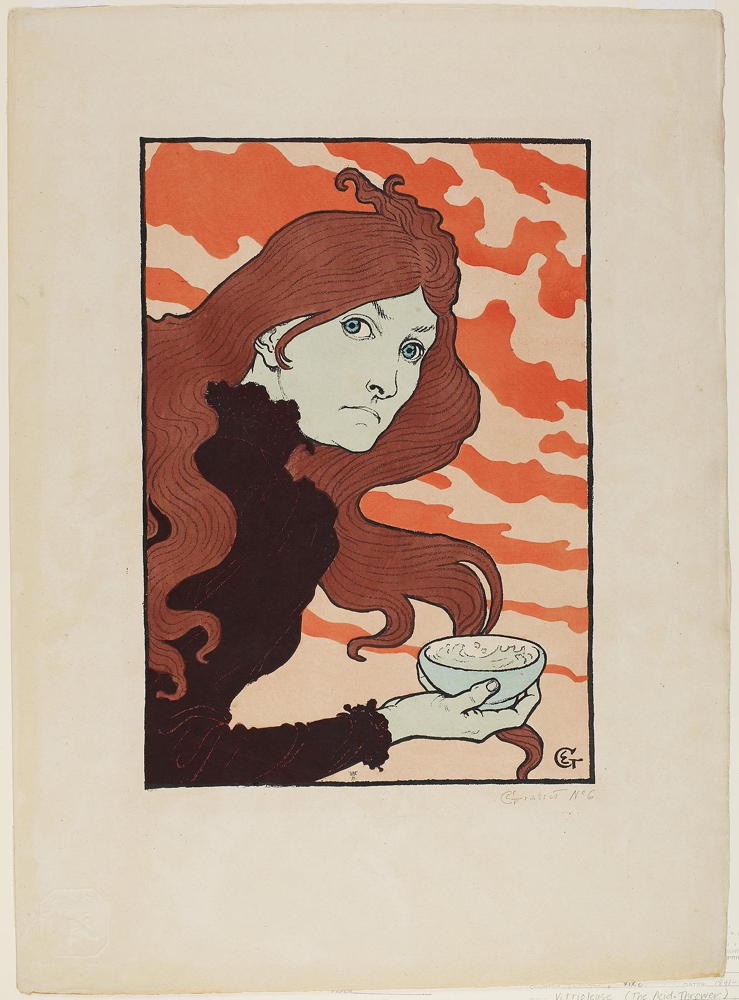
Eugène Samuel Grasset: Vitrioleuse (The Acid Thrower) (1894)
This writing week found me entering the final third of this series. The first third always finds me struggling to understand what in the heck I’ve gone and gotten myself into. The second third, a more comfortably consistent theme emerges. The final third serves as the most masterful portion of the investigation. I’m finally feeling comfortable in my Unscrolling skin. I have been discovering and somehow managing to express my abiding intentions. Even rough starts can become smooth landings.
I began this writing week reporting on how social media seems to be very skilled at BreakingNews. I then reflected on how my native resistance to technological “improvements” has always become FutileResistence. I next noticed how we have this tendency to turn possibilities into VastWastelands of missed potential, as we have so far with social media. I reported, because I’m not a reporter, how FakeNews seems to animate and motivate social media, while, given freedom, we seem more interested in segregating, reverting into Tribes on our social media feeds. I am ending this writing week, noting how much InstantaneousExpertise our social media seems to have spawned, though Expertise cannot ever properly be instantaneous. Thank you for following along!
— — —
Weekly Writing Summary
BreakingNews
“This future sure seems unduly fragmented.”
This Unscrolling Story describes how BreakingNews tends to appear on social media feeds.
What begins as breaking becomes terribly fragmented in delivery.I now rely almost entirely on social media for breaking news, rarely turning to traditional TV or radio. While social media provides immediate updates, I find the quality of reporting poor—most “reporters” lack journalistic skills, bury important facts, and often inject bias or mis/disinformation. Deepfakes and unreliable links force me to continually double-check sources, making it difficult to trust what I see. Background information seems plentiful but lacks analysis or useful context, leaving me feeling disconnected and frustrated. Podcasts don’t appeal to me either, as they feel slow and superficial. Ultimately, social media’s approach to news feels chaotic and fragmented, leaving me longing for a single trustworthy voice to make sense of it all.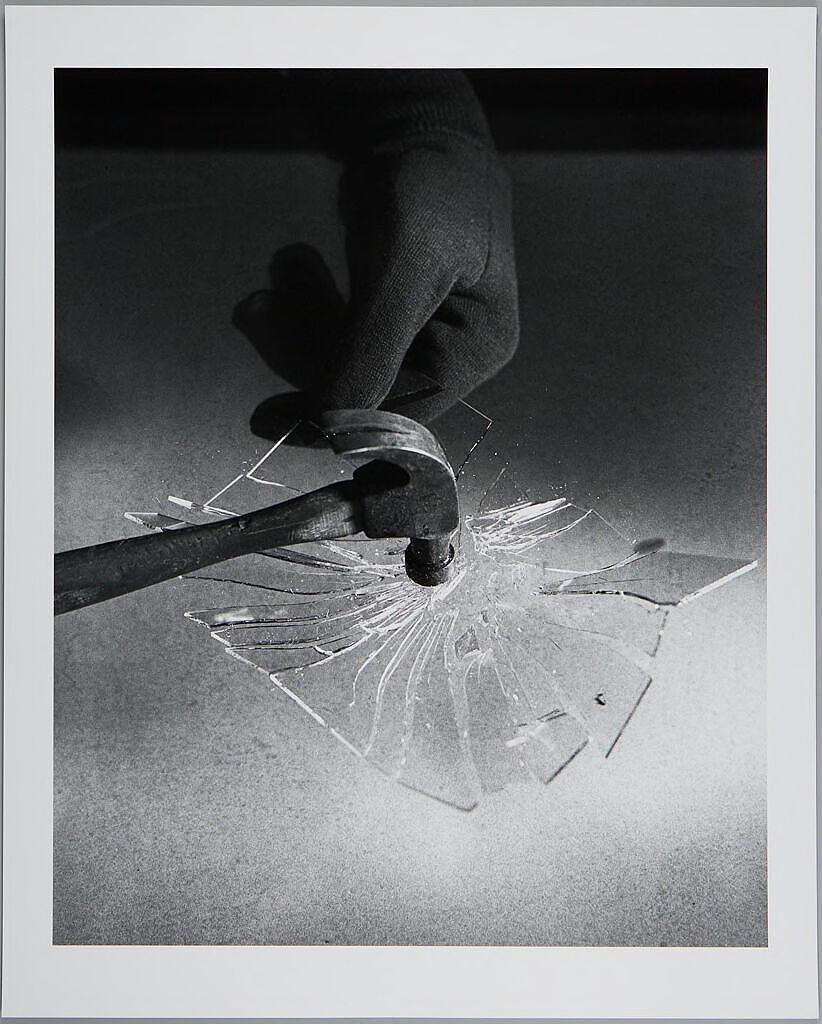
Harold Edgerton: Hammer Breaking Glass (1933)
——
FutileResistence
“At least there’s no toll taker, trying to assess me for roaming now.”
This Unscrolling Story describes my attempts to resist technological change. I’ve only managed to put up FutileResistence, just like everyone else.
I’ve always resisted new technology, never fully embracing the shift from analogue to digital. Early cell phones felt inconvenient and confusing, and later smartphones seemed overly complicated and even a threat to my own skills, like navigation. Though I eventually got an iPhone, I found it distracting and felt that each technological advance made me lose something important. I suspect many people share these feelings—nostalgic for a time when connections felt more personal, like when I mailed out newsletters with my kids’ help. Now, despite tech making communication easier, I feel less connected than before.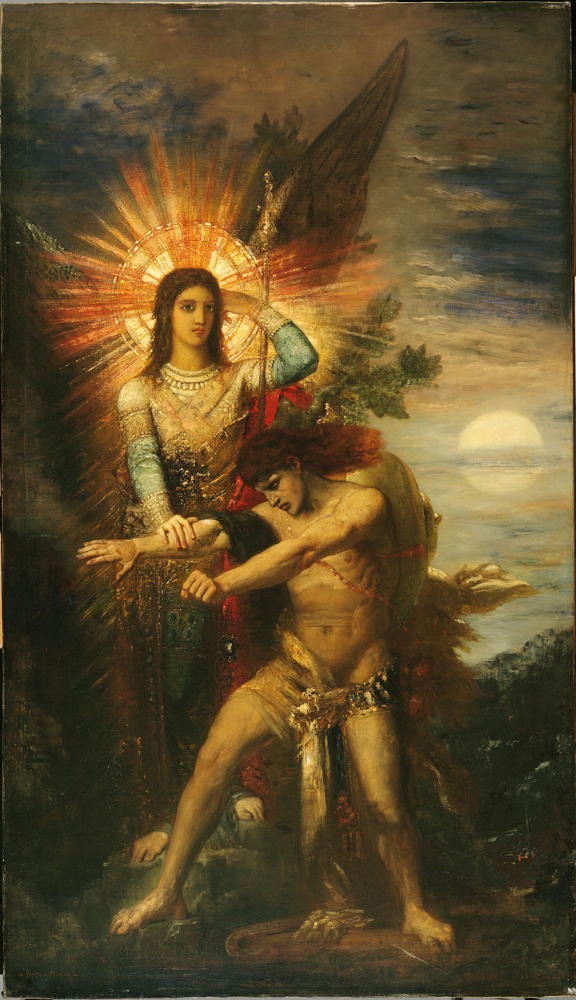
Gustave Moreau: Jacob and the Angel (1874-1878)
——
VastWasteland
“…probably damned whatever we choose to log into.”
This Unscrolling Story finds me wandering through a VastWasteland, the traditional source of our entertainment
I’ve always seen Americans, myself included, favoring lowbrow entertainment—what I call the VastWasteland—over genuine culture, from the frontier days to TV and now social media. Every new medium, no matter its promise, eventually becomes just another wasteland of distraction and shallow content. Even with access to high culture, I find myself drawn to the familiar comforts of mainstream, often trivial entertainment. Despite pretending to have higher standards, I end up, like most people, spending my time scrolling through the latest version of the VastWasteland.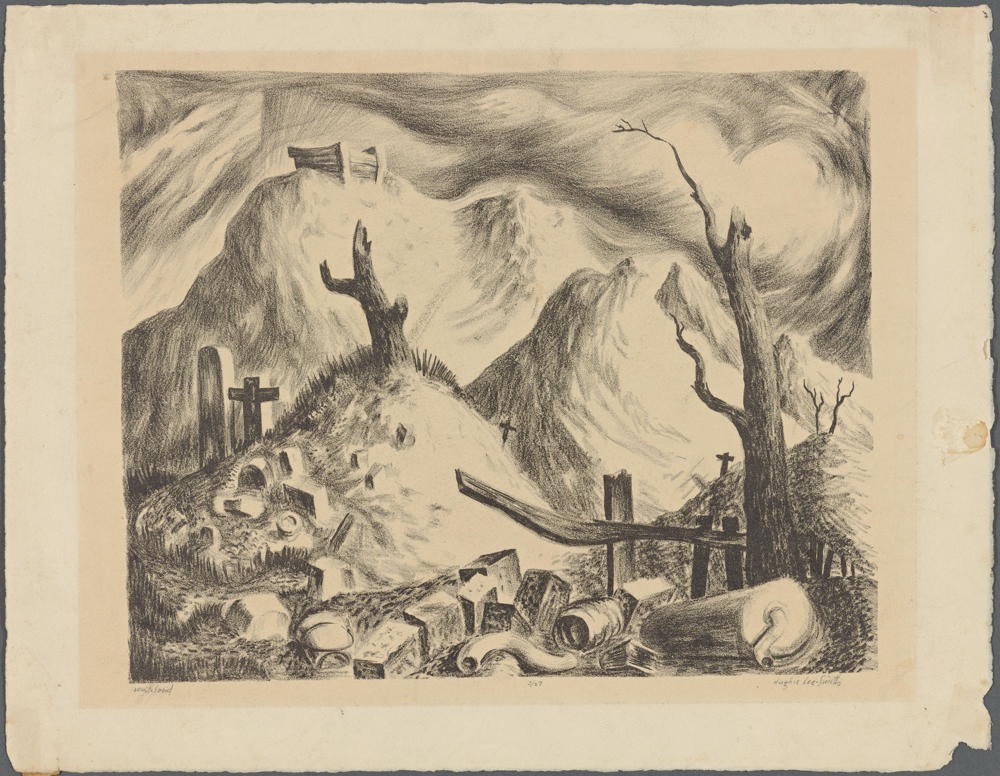
Hughie Lee-Smith: Wasteland - Works Progress Administration (WPA) Art — United States. Works Progress Administration (Sponsor) (1939)—Schomburg Center for Research in Black Culture, Art and Artifacts Division, The New York Public Library. “Wasteland” New York Public Library Digital Collections. Accessed February 23, 2026. (https://digitalcollections.nypl.org/items/ccb33860-fe37-0131-598a-58d385a7b928)
——
FakeNews
“If its content was all proven to be true, it couldn’t draw a respectable crowd.”
This Unscrolling Story finds me describing how FakeNews serves as the primary driver of social media engagement.
Social media has turned FakeNews into an everyday reality, and I’ve watched it influence politics and public life, even as I try to spot the lies and deepfakes. Despite knowing how unreliable it is, I keep coming back, drawn to the chaos and spectacle. Being on social media means surrendering some independence and getting caught up in a constant mix of truth and falsehood—because the biggest lies and public failures seem to attract the most attention.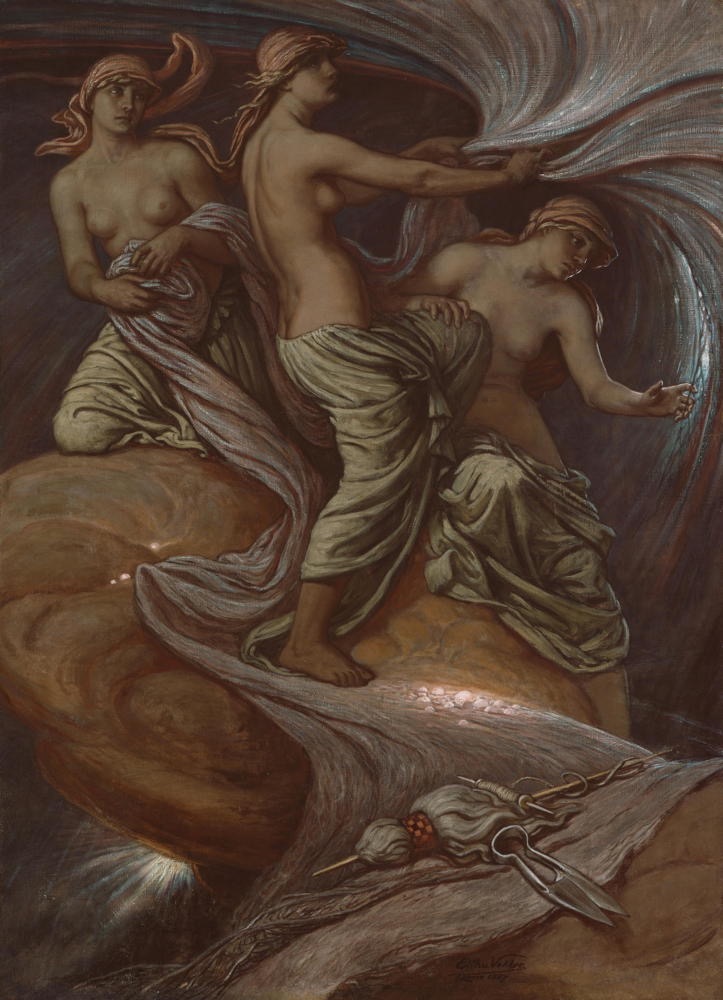
Elihu Vedder: The Fates Gathering in the Stars (1887)
——
Tribes
“It might not yet be too late to choose another fate.”
This Unscrolling Story finds me watching us disintegrate back into Tribes. The true price of social media must be the self-discipline necessary to properly exercise any absolute freedom.
I’ve watched modern society try to move beyond tribalism toward universal values like equality and freedom, but social media has pulled us back into our old tribal divisions. Instead of connecting us, it’s fragmented us into ever smaller groups, each speaking its own dialect and enforcing its own beliefs. I find it ironic that, given freedom, we often create new forms of self-imposed restriction. True freedom actually demands more self-discipline and ethical boundaries than we tend to realize. On social media, trolls and self-righteous reformers use their platforms to oppress rather than unite. Despite this, I still hope we can choose to move past our tribal instincts and employ social media to discover what we have in common.
Ernst Ludwig Kirchner: Modern Bohemia (1924)
——
InstantaneousExpertise
“We should be justly proud of our accomplishments…”
This Unscrolling Story finds me extolling one of the imaginary skills social media seems to induce in its users: InstantaneousExpertise.
Social media has made it easy for anyone—including me—to claim expertise instantly, but I know deeper down that real understanding takes years, not seconds. Online, people grab quick facts without context and argue with unwarranted confidence, while true experts usually stay quiet. All this instant expertise breeds false certainty and superficial debate, but rarely real wisdom. I’m reminded that genuine expertise still requires patience, humility, and deep learning—something social media rarely encourages.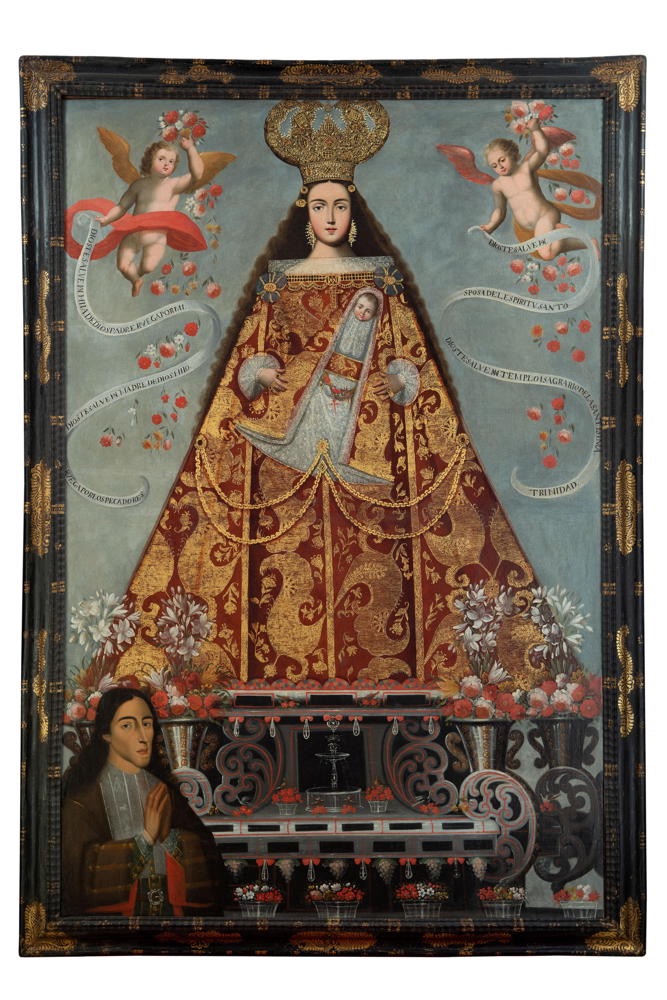
Unidentified Artist: Nuestra Señora de Belén con un retrato de donante indígena - Our Lady of Bethlehem with Portrait of an Indigenous Donor (18th century) —Nuestra Señora de Belén, a patron saint of the city of Cuzco, Peru, Convent of Santa Clara.
—— 
If It Ever Becomes Available
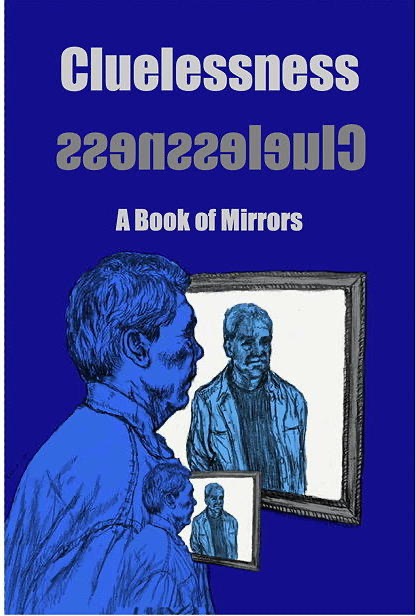
Last week, I announced that I’d cleared the final hurdle to publishing my book, Cluelessness. I had not considered my publishing partner’s pattern of behavior closely enough before making my announcement. I learned the following day that their procedure required me to fill out a form listing all the galley proof changes I’d requested in a series of emails going back to the previous month or so. I’d been unable to utilize their futuristic system for reporting those changes as I suggested them, because it relied upon some curious pop-up technology that I couldn’t get to work for me, so I’d been submitting my questions and suggestions the old-fashioned way, via email, and they’d sent updated versions of the galley proofs in response. I’d just sent what I believed would be my final message, clearing the work for publication. Then a response appeared, insisting that I complete this form. It didn’t help that their form was in a closed format requiring me to convert from Klingon into a form I could use, then back again. I reasoned that they must have already received my suggestions, since the latest version of the galley proofs showed them updated.
I’m waiting for a response. Part of my native Cluelessness involves an abiding form phobia. I’ve rarely met a form I could complete unaided, and often encountered ones I’d found impossible even with assistance. I once left a dentist's office when confronted with a large pile of forms they required before providing treatment. These forms wanted information I knew was probably lurking in files back home, so I left the dentist's office, traveling home to find the information. The dentist’s receptionist tracked down The Muse to ask where I’d disappeared to, so The Muse called. I explained that they’d needed answers to questions I didn’t have access to in their office, so I’d gone home to find the data they’d said they’d needed. Once home, I couldn’t find the information there, either. I never went back to that dentist.
This feature of my existence might be the heart of what I this week labeled FutileResistence. The insistences apparently never end. My ability to adapt seems to be fairly finite. When this world finally dissolves into just so many forms, I will no longer find a place for me in it. So much the worse for the world. Thank you for following along!
I employed Grammarly, a commercial AI-powered text editor, to create the above story summaries, prompting with: “Please briefly summarize this story in the first person while retaining the original voice.” I manually copy-edited each result.
©2026 by David A. Schmaltz - all rights reserved
Good For A Goose

Comeuppance (31)
Decency (90)
Decency Unscrolling (1)
EndDays (92)
Exiled (90)
Fambly (93)
FollowingChapters (93)
Grace (92)
Humor (2)
iAlogue (1)
Letters to the Editor (1)
NextWorld (91)
Personal (18)
Prosperity (94)
Steam Festival (4)
Unscrolling (89)
Vaporized (6)
Work (16)
September 2026
August 2026
July 2026
June 2026
May 2026
April 2026
March 2026
February 2026
January 2026
December 2025
November 2025
October 2025
September 2025
August 2025
July 2025
June 2025
May 2025
April 2025
March 2025
February 2025
January 2025
December 2024
November 2024
October 2024
September 2024
August 2024
July 2024
June 2024
May 2024
April 2024
March 2024
November 2006
October 2006
September 2006
August 2006
July 2006
June 2006
May 2006
April 2006
March 2006
February 2006
January 2006