BigMan
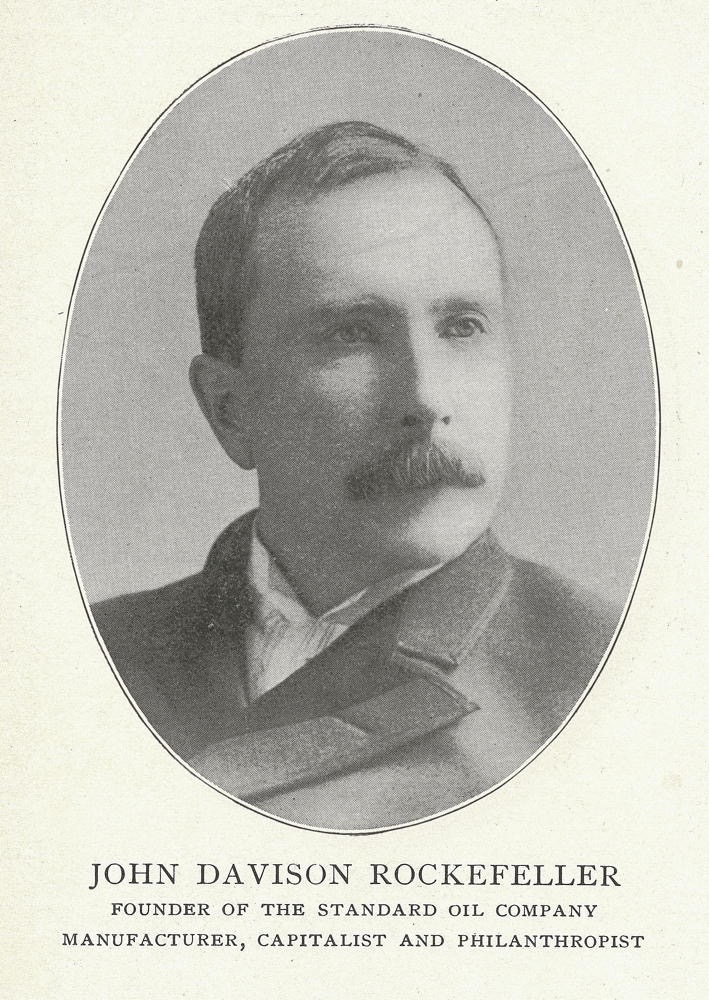
Moses King, Compiler & Publisher: John Davison Rockefeller (1899)
Irma and Paul Milstein Division of United States History, Local History and Genealogy, The New York Public Library. "John Davison Rockefeller" New York Public Library Digital Collections. Accessed February 19, 2026. (https://digitalcollections.nypl.org/items/87f79b40-86d4-0131-769f-58d385a7b928)
“The value of its services explains why so many use them so much, not ‘clinical’ addiction.”
The bellwether trial involving Meta and YouTube eventually reached the point where the BigMan was called as a witness. Mark Zuckerberg serves as the BigMan this time, in the same role that a long succession of big men served before. John D. Rockefeller was as nasty a competitor as was ever born, though he managed to soften his image later in life, after he’d shrunken, by handing out dimes to street urchins while delivering little sermons of something he never mastered himself: thrift. Andrew Carneigy was an equally heartless capitalist before he chose to donate much of his ill-accumulated wealth in the form of libraries, generating great goodwill. Zuckerberg’s not yet achieved sufficient dottage to be seen as a benefactor, though I’m sure he contributes plenty to various charities, none of them amounting to anything threatening his personal billions.
It’s a tough time to be an oligarch. The billionaire class has perhaps never enjoyed less public acclaim since the Great Depression, and even then, many fewer were injured by their studied indifference and ignorance. The masses usually feel outclassed by those assholes, not because they serve as exemplars of any particular culture but because they bring the better indifference to encounters. Zuck, according to the NYTimes reporting, has been subjected to remedial training by his beleaguered public relations department after several embarrassing attempts to come across as a regular Joe in public. His performances came across as some mix of unfeeling and robotic. He even confessed after taking the stand, “I’m actually well known to be sort of bad at this.” As a billionaire, he couldn’t appear in any but a bad guy role, so he tried to keep his answers short.
Under examination on the stand, he several times resorted to the well-worn, “You’re misrepresenting this,” when the prosecutor presented evidence. None of this case seems clear and compelling, except to those who lost children to what appears to be the effects of lax policy enforcement and malign design on Meta’s part. The prosecution represents one person, now twenty years old, who complains that Meta’s apps severely damaged her. Meta responds by insisting that her lengthy and detailed clinical history shows no evidence of treatment for any social media-related difficulties. Prince Harry has mustered an activist opposition group to organize the parents who’ve lost children to social media use. He’s about as big a man as I can imagine, so as per usual, even this trial seems to pit one BigMan against another.
The game, though, if any of this can be said to be or played as if it were a game, amounts to making the BigMan appear meek and much less powerful than his vitae might make him appear. To what possible use do his billions matter when compared to the calamity his products appear to have visited upon the most vulnerable among us? Juries have long histories of ruling in favor of the underdog, so the canny BigMan plays just as humbly as he can when on the stand. He can disagree with the prosecution’s interpretations. The prosecution can do everything they can to make the BigMan seem indifferently all-powerful. How callous would anyone have to be to oversee such malign influence? How much of his unimaginable billions should belong to his victims?
Instagram’s chief executive testified last week that the app was never “clinically addictive,” though he admitted that social media could cause harm if used excessively. Between the clinical definition of addiction and the lax oversight of adolescent use lies a universe of nuance. The judge ordered everyone in the courtroom to remove their smart glasses in an abundance of caution that no one would be able to threaten any juror by recording the proceedings. The news coverage features those hand-drawn glimpses into the workings of the judicial system rather than crisp little AI reels designed to tug at heartstrings. Nobody knows how these proceedings might go. Zuckerberg, when appearing before Congress two years ago, was compelled to stand up and apologize to all those his apps had harmed. That image left an impression on this jury, I’m sure. The BigMan insists his company has changed since then. The value of its services, he insists, explains why so many use them so much, not “clinical” addiction.
©2026 by David A. Schmaltz - all rights reserved
Good For A Goose

Comeuppance (31)
Decency (90)
Decency Unscrolling (1)
EndDays (92)
Exiled (90)
Fambly (93)
FollowingChapters (93)
Grace (92)
Humor (2)
iAlogue (1)
Letters to the Editor (1)
NextWorld (91)
Personal (18)
Prosperity (94)
Steam Festival (4)
Unscrolling (89)
Vaporized (6)
Work (16)
September 2026
August 2026
July 2026
June 2026
May 2026
April 2026
March 2026
February 2026
January 2026
December 2025
November 2025
October 2025
September 2025
August 2025
July 2025
June 2025
May 2025
April 2025
March 2025
February 2025
January 2025
December 2024
November 2024
October 2024
September 2024
August 2024
July 2024
June 2024
May 2024
April 2024
March 2024
November 2006
October 2006
September 2006
August 2006
July 2006
June 2006
May 2006
April 2006
March 2006
February 2006
January 2006